
 Türkçe
 English
ROBOTİC AND CODİNG
EducationsRobotics coding is about more than just learning technology; it’s a journey that develops children's algorithmic thinking and critical analysis skills.
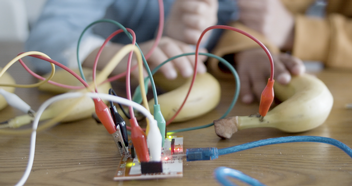
Early Childhood Robotics Coding: Laying the Foundations of Algorithmic Thinking
Why is Robotics Coding Instruction Important in Early Childhood?
Early childhood is one of the most critical periods for human development. During this time, children's cognitive, emotional, and psychomotor skills develop rapidly. In the context of 21st-century skills, teaching algorithmic thinking, critical thinking, and problem-solving at an early age contributes significantly to children becoming competent individuals in today’s digital age. Robotics coding classes not only provide an enjoyable learning environment but also help these skills be developed as lifelong learning principles.
Robotics coding classes are specifically designed for children aged 2-6. At a time when overexposure to technology poses risks, unplugged (technology-free) coding activities and appropriate robotics materials offer a balanced way to teach children how to use technology responsibly and effectively.
The Importance and Development of Algorithmic Thinking
Algorithmic thinking involves breaking down problems into steps and logically determining solution paths. This process is not only relevant for software developers but also applicable to everyday situations faced by everyone. For preschool-aged students, developing algorithmic thinking includes basic skills such as sequencing simple tasks, following structured steps, and predicting outcomes.
Through robotics coding classes, students shift from asking "What should I do?" to "How can I do it?" They encounter activities that enhance their problem-solving strategies and logical thinking. For example, programming a robot to move, completing a game step-by-step, or collaborating with friends to achieve a goal are practical examples of algorithmic thinking.
Objectives of Robotics Coding Classes
In robotics coding classes, goals are set for both the cognitive and socio-emotional development of students. These key objectives include:
- Developing logic and reasoning abilities: Helping students acquire the mindset needed to think critically and make decisions.
- Fostering critical thinking skills: Encouraging them to approach problems from different perspectives and generate alternative solutions.
- Supporting collaboration and communication skills: Strengthening social skills through group work and teamwork-based problem-solving activities.
- Encouraging the beneficial use of technology: Instilling the understanding of using technology not just for entertainment but also for learning and creative projects.
Benefits of Robotics Coding Classes
Robotics coding classes contribute significantly to student development in many ways. Here are some of the benefits:
- Enhancing Cognitive Skills: Improving problem-solving, logic, and analytical abilities.
- Supporting Psychomotor Skills: Activities that improve motor coordination, enhancing hand-eye coordination.
- Boosting Creativity: Encouraging the generation of new ideas and confidence in developing personal projects.
- Understanding Digital Literacy: Helping them understand how technology works and use the digital environment more effectively.
- Promoting Social Interaction: Learning group dynamics by working collaboratively with peers.
- Increasing Motivation and Interest: Providing engaging learning experiences that boost motivation.
- Preparing for Future Careers: Developing technological awareness and skills necessary for 21st-century careers at an early age.